Tally Ho Corner wedding flowers florist case study
Posted on 23/10/2026
Tally Ho Corner Wedding Flowers Florist Case Study: A Practical Guide to Planning Beautiful Wedding Blooms
If you are researching a Tally Ho Corner wedding flowers florist case study, you are probably after more than pretty pictures. You want to understand what actually works: how the flowers are planned, how the designs fit the venue, what the florist had to think about on the day, and what you can learn for your own wedding. Fair enough. Flowers are one of those details that can make a room feel quietly magical, but they also have to behave under pressure.
This guide looks at the topic in a grounded, useful way. You will get a clear explanation of why a wedding flowers case study matters, how a florist approach typically works, which styles and product choices tend to suit different setups, and the common mistakes that can catch couples out. Along the way, we will also touch on best practice, wedding timing, delivery expectations, and a few decision-making tips that save a lot of stress later. Because let's face it, wedding planning can get a bit much. Flowers should not be the part that tips you over the edge.
To help with context, this article also links naturally to relevant pages such as wedding flowers in North Finchley, the wedding collection, and detailed options like bridal bouquets and table arrangements. Used well, those pages help you move from inspiration to a real plan.
Why Tally Ho Corner wedding flowers florist case study Matters
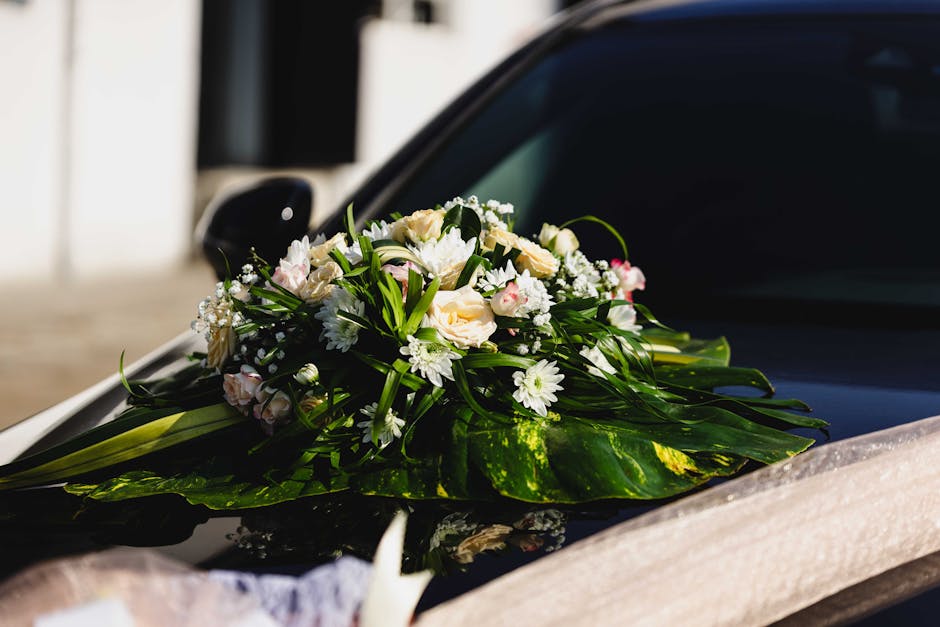
A wedding flowers case study is useful because it shows how floral design behaves in the real world, not just in a styled product shot. That matters a lot at a location like Tally Ho Corner, where practicalities matter as much as aesthetics. You have to think about how the bouquet looks in daylight, how centrepieces sit on tables, whether the arrangement reads well in photos, and whether the florals can be delivered and set up without unnecessary faff.
For couples, a case study is a decision tool. It helps you see the gap between "I like peonies" and "I need three bouquet styles, ceremony pieces, buttonholes, and reception flowers that all feel cohesive." For florists, it is a way to show process, judgement, and reliability. Not just creative flair. A good florist is part designer, part planner, part calm person with a van and a backup plan. Possibly the calmest person in the room, if all goes well.
In practical terms, a Tally Ho Corner-focused wedding flowers case study helps you understand:
- how the floral brief is translated into finished designs
- what size and style of arrangements suit the venue atmosphere
- how colour palettes behave in indoor and outdoor light
- which flower types are dependable for timing and transport
- how logistics affect the final presentation on the day
That is why case studies matter so much in wedding flower planning. They show the real thing, not just the dream version.
How Tally Ho Corner wedding flowers florist case study Works
A florist case study usually follows the journey from enquiry to final installation. The exact details vary, of course, but the working logic is fairly consistent. First comes the brief. Then the florist checks style, season, quantity, budget, timing, and venue access. After that comes design development, sourcing, production, delivery, and set-up.
At Tally Ho Corner, the florist's job is to shape flowers around the couple's priorities and the space itself. Maybe the couple wants a romantic, light, garden-style feel. Maybe they want something more polished and classic. Maybe they need something modest but still elegant. The method changes, but the process stays rooted in the same question: how do we make the flowers feel intentional?
In many wedding flower projects, the key decisions are made early:
- Define the style - soft and romantic, bright and modern, structured and classic, or a mix.
- Map the spaces - bridal party, ceremony area, tables, entrance, signage, and any special focal point.
- Choose the flower families - roses, lilies, lisianthus, orchids, hydrangeas, or mixed seasonal blooms.
- Match scale to space - large arrangements can overwhelm a small room; tiny flowers can disappear in a bigger setting.
- Plan the handover - delivery windows, set-up needs, and where each piece needs to go.
That process sounds simple on paper. In real life, it is a balancing act. A florist may need to work around limited access, short setup windows, unpredictable weather, or a venue that has clear rules about where items can be placed. Nothing dramatic. Just the usual wedding-day juggling act.
Key Benefits and Practical Advantages
The best wedding floristry does more than look beautiful. It solves practical problems while quietly elevating the whole event. A strong Tally Ho Corner wedding flowers florist case study should show those advantages clearly.
1. Visual cohesion
When the bouquet, buttonholes, bridesmaid flowers, and table pieces all belong to the same visual language, the wedding feels more considered. That does not mean every arrangement must match exactly. Actually, that can feel a bit stiff. But the palette and texture should speak to one another.
2. Better photos
Flowers affect photography more than people expect. A florist who understands how shapes, colours, and spacing read on camera can design arrangements that look good in person and in pictures. Soft whites, layered pinks, and mixed-texture arrangements often work particularly well because they add depth without shouting for attention.
3. Less day-of stress
When flowers are designed, delivered, and installed with a clear plan, the day feels smoother. The couple is not worrying about vase height, dropped petals, or whether the table garlands arrived on time. Small reliefs, but honestly, those small reliefs matter.
4. Smarter budget use
Not every wedding needs every floral feature. A case study often helps couples see where impact comes from. For example, one statement bridal bouquet and a few well-placed centrepieces may create more presence than trying to spread the budget too thin across every surface.
5. Design flexibility
A florist can adapt a concept to seasonal stock, venue restrictions, or budget. That flexibility is a major advantage. It keeps the design looking polished even when the original wishlist needs a little practical adjustment.
| Wedding floral element | What it does | Why it matters in a case study |
|---|---|---|
| Bridal bouquet | Creates the main visual focal point for the bride | Shows the core style, scale, and colour direction |
| Bridesmaid bouquets | Supports the main palette and balances the bridal look | Helps demonstrate consistency across the party |
| Buttonholes | Adds a subtle finishing touch for the wedding party | Shows attention to detail and flower durability |
| Table arrangements | Carry the floral theme into the reception space | Proves how the design works beyond the aisle |
| Collection planning | Connects all pieces into one floral story | Useful for showing package structure and value |
Who This Is For and When It Makes Sense
This kind of case study is useful for several types of readers. If you are a couple planning a wedding near Tally Ho Corner, it helps you make sense of your options. If you are comparing florists, it helps you judge who thinks in terms of service, not just selling flowers. And if you are just exploring ideas, it can stop you from making expensive decisions too early. Which, to be fair, is exactly what a lot of people need.
It makes sense for you if:
- you want wedding flowers that feel coordinated rather than random
- you need help deciding between simple, medium, or full floral coverage
- you are comparing bridal bouquets, bridesmaid flowers, and venue arrangements
- you want a florist who can work with a clear timeline and practical set-up
- you value local delivery and the reassurance of working with a real team
It also makes sense if your wedding has more than one floral moment. For example, you may want a classic bouquet for the ceremony, a lighter version for the evening, and table florals that can be repurposed later. Reuse like that is not glamorous, but it is smart.
For couples who want a more curated approach, browsing a dedicated wedding range such as the wedding collections can be a practical starting point. From there, you can narrow things down into product families such as bridesmaid bouquets and buttonholes.
Step-by-Step Guidance
If you are trying to plan wedding flowers around Tally Ho Corner, a simple step-by-step approach keeps things manageable. You do not need to know every flower name in advance. You just need a method that gets you from idea to installation without confusion.
1. Start with the mood, not the stems
Before you choose flowers, choose the feeling. Elegant? Fresh and airy? Soft and romantic? Bold and celebratory? That emotional brief is more useful than a long list of stems copied from the internet at midnight.
2. Confirm the wedding setting
Different venues need different floral solutions. A smaller, intimate setting may suit compact arrangements and delicate bouquets. A more open room may need larger shapes or stronger colour contrast. Ask where flowers will be seen from, and by whom. Sounds obvious, but people forget this all the time.
3. Set priorities
If the budget is finite, decide what matters most. Some couples care most about the bridal bouquet. Others want the ceremony area to feel immersive. Others still want the tables to carry the whole look. There is no right answer, only the answer that fits your wedding.
4. Choose dependable flower types
Florists often recommend blooms that travel well and hold up during the day. For weddings, options such as roses, lisianthus, orchids, lilies, alstroemeria, hydrangeas, and mixed seasonal flowers can all play different roles. The best choice depends on the season, the style, and how much structure the arrangement needs.
5. Build the bouquet and supporting pieces together
Do not treat the bouquet as an isolated object. It should connect to the rest of the floral story. If the bouquet is dramatic and layered, the bridesmaid flowers and table pieces should feel related rather than competing for attention.
6. Lock in delivery and set-up details early
Wedding flowers are not just products. They are time-sensitive pieces that must arrive in good condition and be placed correctly. Confirm who receives them, when they arrive, and where they need to go. A florist with a clear delivery process is worth a lot on the day. If you need a general logistics reference, the site's delivery information and contact page are sensible places to start.
7. Check care and presentation details
Some flowers need more hydration, some need more shelter from heat, and some are more delicate to handle. The little instructions matter. A bouquet left in the wrong place for an hour can look tired before the ceremony even starts. No one wants that.
Expert Tips for Better Results
After enough wedding floral planning, a few patterns become pretty clear. These are the sort of things that separate a nice outcome from a really polished one.
Keep one thing as the anchor. It might be the bouquet, a ceremony arrangement, or the reception tables. One strong anchor helps the whole scheme feel intentional.
Use texture as well as colour. A palette of all soft pinks can still feel flat if every bloom has the same visual weight. Adding movement, mixed petal shapes, or a touch of greenery gives the design more life.
Be realistic about venue light. White flowers can glow beautifully in daylight, but in a dim room they may need stronger texture or supporting colour to stop them disappearing. Similarly, very dark florals can look lush in person and more subtle in photos. Worth thinking about.
Ask how arrangements will be used after the ceremony. Repurposing ceremony flowers at the reception is a simple way to stretch value. A good florist will often plan for this, rather than leaving you with pieces that are lovely but awkward to re-home.
Choose a florist who explains things plainly. Not every bride or groom wants botanical jargon. They want to know what will happen, when, and how much attention it will need. Clear language is a trust signal.
Do a brief reality check on your wish list. If your Pinterest board has sixteen different aesthetics happening at once, that is a clue. Beautiful, yes. But maybe not all in one wedding. A tiny bit of restraint helps.
If you are exploring bouquet styles, pages like bridal bouquets and wedding corsages can help you compare the kind of finishing details that often make the difference between "nice" and "that feels complete."
Common Mistakes to Avoid
Some wedding flower mistakes are small. Others create avoidable stress. The good news? Most of them are easy to sidestep once you know what to look for.
- Choosing flowers before confirming the setting - the venue should influence the design, not the other way around.
- Spreading the budget too thin - too many tiny floral touches can end up feeling less impactful than a few strong ones.
- Ignoring practical delivery timing - flowers need to arrive at the right moment, not just on the right day.
- Forgetting the supporting pieces - buttonholes, bridesmaid bouquets, and table flowers all help the design make sense.
- Overcomplicating the palette - more colours does not always mean more beauty. Sometimes it just means more noise.
- Not asking about substitution policies - seasonal availability can affect exact stems, so it helps to understand what happens if a bloom is unavailable.
One common issue in wedding floristry is expecting a fixed flower to be available at every point in the year. That is rarely how it works. Better florists talk in terms of style, palette, and structure, then choose the best available stems to match. That approach is more resilient, and usually looks better too.
Another thing people forget is scale. A bouquet can look perfect in a hand and underwhelming in a large room, or the reverse. So yes, proportion matters. A lot.
Tools, Resources and Recommendations
You do not need fancy tools to plan wedding flowers well, but you do need a few practical resources. Nothing glamorous. Just the stuff that keeps everyone aligned.
- A clear wedding timeline - so the florist knows when flowers are needed and when setup is possible.
- A venue plan or floor layout - even a rough one can help with table placements and focal points.
- Colour references - fabric swatches, dress photos, invitation designs, or venue images all help.
- Budget bands - it is easier to design well when the florist knows the range, not just the aspiration.
- Product examples - pages such as table arrangements and buttonholes help translate ideas into actual items.
For couples who want a more streamlined experience, it also helps to check policies and support pages before ordering. The site's guarantees, returns and refund information, and terms and conditions provide the sort of practical reassurance that is easy to overlook until you need it. Better to look early.
And if sustainability matters to you, as it does to many couples now, it is worth reading the site's sustainability information. It gives you a sense of how the business thinks about sourcing and responsibility, which is increasingly part of the wedding decision too.
Law, Compliance, Standards, or Best Practice
Wedding floristry is not heavily regulated in the way some industries are, but there are still sensible standards and legal considerations to keep in mind. Good florists operate with clear terms, honest communication, data care, and a safe working approach. That is not flashy, but it matters.
For customers, the main best-practice points are straightforward:
- read the florist's terms before ordering
- check what is included in the quoted price
- confirm delivery and setup responsibilities
- understand substitution policies for seasonal flowers
- make sure names, dates, and venue details are accurate
Privacy and accessibility also matter. If you are sharing personal data or discussing details like addresses, timings, or contact preferences, it is sensible to know how that information is handled. The site's privacy policy, cookie policy, and accessibility statement are the kinds of pages that show a business is thinking beyond the immediate sale.
For florists, best practice usually means clear labelling, careful transit handling, realistic substitution decisions, and honest lead times. If a design needs specific stems that may be limited, that should be said early rather than dressed up later. Simple as that.
Options, Methods, or Comparison Table
When couples compare wedding flower options, they are usually deciding between a few broad approaches. Each one has different strengths. The right choice depends on budget, venue size, and the kind of visual impact you want.
| Approach | Best for | Pros | Watch-outs |
|---|---|---|---|
| Simple bouquet-led design | Smaller weddings or tighter budgets | Clean, elegant, easier to manage | May feel light if the room is large |
| Balanced full-package design | Most traditional weddings | Bridal, bridesmaid, and venue pieces all coordinate | Needs careful planning to avoid overspend |
| Statement venue florals | Couples prioritising the ceremony or reception space | High visual impact | Less budget left for smaller supporting items |
| Seasonal mixed-flower styling | Couples open to flexibility | Natural, often more adaptable, can feel fresh | Exact stems may vary |
As a rule, bouquet-led designs work well when the couple wants intimacy and elegance without too much overhead. Balanced full-package designs work best when the flowers are meant to thread through the whole event. Statement venue florals are ideal if the room itself is a major part of the experience. Mixed seasonal styling is often the most relaxed option, especially for couples who want the florist to guide the final look rather than micromanage every stem.
Case Study or Real-World Example
Let's look at a realistic example of how a florist might approach a Tally Ho Corner wedding flowers brief.
A couple wants something romantic but not overly formal. They like soft whites, blush pinks, and a little depth from richer tones. The wedding includes a bridal bouquet, three bridesmaid bouquets, four buttonholes, and several table arrangements. The venue is neat and elegant, but the reception room is not huge, so the flowers need to feel present without taking over. You know the kind of room - pretty enough already, which is a blessing and a curse for a florist.
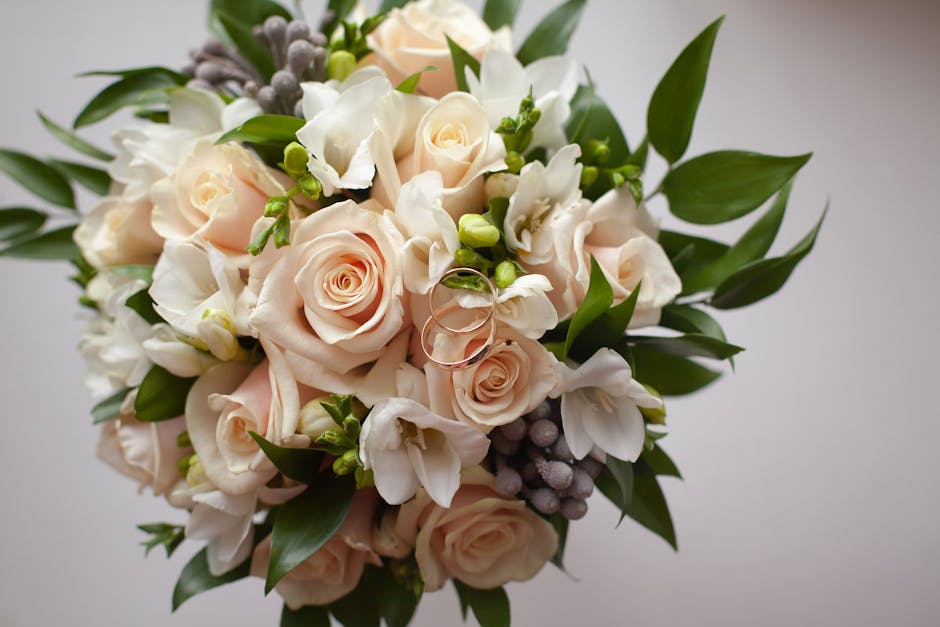
The florist starts by shaping the design around two priorities: a bouquet that photographs beautifully and table pieces that do not block conversation. The bouquet might use a layered mix of roses, lisianthus, and a touch of orchid for lift. The bridesmaid bouquets would echo the same palette but stay slightly lighter and smaller. Buttonholes would be restrained and durable. For the tables, the florist could use compact arrangements that repeat the bouquet colours without being identical.
The important part is not the exact stem list. It is the relationship between the pieces. The flowers feel as though they belong to one story, not four separate shopping baskets.
In a real wedding scenario, this kind of approach tends to create a calm visual rhythm. Guests notice the bouquet, then the ceremony detail, then the table styling. Nothing feels forced. And because the floral plan is coherent, the couple does not have to keep explaining it. The flowers do the talking.
For this type of design, product pages such as wedding bridal bouquets, wedding bridesmaid bouquets, and wedding table arrangements are especially useful because they show how the different elements can work together.
Expert summary: The strongest wedding flower case studies do not just show attractive arrangements. They show how a florist balances style, scale, timing, and venue realities so the flowers look effortless on the day.
Practical Checklist
Use this checklist if you are planning or reviewing a wedding flowers brief near Tally Ho Corner. It keeps the conversation practical, and that is half the battle.
- Have you defined the overall style in plain language?
- Do you know which spaces need flowers most?
- Have you confirmed the ceremony, reception, and bridal party pieces?
- Is the bouquet the main focal point, or is the room the priority?
- Do your chosen flowers suit the season and delivery timing?
- Have you checked delivery details and access restrictions?
- Do you understand what substitutions may happen if a stem is unavailable?
- Have you set a realistic budget before choosing add-ons?
- Are the colours consistent with outfits, decor, and venue lighting?
- Have you asked how flowers will be cared for before the ceremony?
- Do you know which pieces can be reused after the ceremony?
- Have you read the florist's terms, refund guidance, and privacy policy?
If you can tick most of those off, you are already ahead of the game.
Get a free quote today and see how much you can save.
Conclusion
A strong Tally Ho Corner wedding flowers florist case study is valuable because it shows the full picture: design, practicality, timing, and trust. It gives couples a better sense of what to expect and helps them make smarter choices without getting swept away by inspiration alone. Beautiful flowers matter, yes. But beautiful flowers that arrive on time, suit the venue, and feel coherent across the day matter even more.
If you are planning your own wedding flowers, start with the feeling you want, then shape the details around the venue and the budget. Keep the design focused. Ask clear questions. And work with a florist who can explain the process without making it feel complicated. That sort of calm professionalism is worth its weight in roses.
At the end of the day, the best wedding flowers do not just decorate the event. They help it feel like yours. And that is the bit people remember, long after the petals have settled.
Frequently Asked Questions
What is a Tally Ho Corner wedding flowers florist case study?
It is a practical example showing how a florist plans, designs, delivers, and sets up wedding flowers for a Tally Ho Corner wedding, usually so couples can learn from the process and compare options.
Why would I read a wedding flower case study before booking?
Because it helps you understand how the florist works in real life. You can see how they handle style, timing, logistics, and the relationship between bouquets, buttonholes, and venue flowers.
What flowers work best for wedding bouquets?
That depends on the season, style, and budget, but roses, lisianthus, orchids, lilies, alstroemeria, and hydrangeas are common wedding choices because they can be adapted to different looks.
How far in advance should I arrange wedding flowers?
Ideally, start early enough to discuss the venue, colour palette, and preferred flowers with plenty of time for planning. The exact lead time varies, but leaving it until the last minute is rarely wise.
Can I keep the wedding flower budget under control without losing impact?
Yes. Focus on the pieces that matter most, such as the bridal bouquet and key reception areas, then build the rest around them. A well-planned smaller design often looks better than a scattered larger one.
What is the difference between bridal bouquets and bridesmaid bouquets?
Bridal bouquets are usually more detailed or fuller and act as the main floral focal point. Bridesmaid bouquets typically echo the same palette and style but are usually smaller or slightly simpler.
Do I need buttonholes and corsages as part of a wedding flower plan?
Not always, but they help tie the wedding party together visually. They are especially useful if you want a coordinated look across the ceremony and photographs.
What if my chosen flowers are out of season?
A good florist will suggest alternatives that preserve the style and feel of the design. Seasonality does not have to ruin the look; it just means the exact stems may change.
How do florists handle delivery and setup for weddings?
Usually by agreeing a clear delivery window, confirming access details, and setting out where each arrangement should be placed. Good planning here makes a big difference on the day.
Are there legal or policy things I should check before ordering?
Yes. Read the florist's terms, delivery details, refund information, and privacy policy. That way you know what is included, how changes are handled, and how your information is used.
How can I tell if a florist is a good fit for my wedding?
Look for clear communication, practical advice, a style that matches your taste, and evidence that they think about both design and logistics. If they explain things calmly and plainly, that is a very good sign.
What should I bring to my florist consultation?
Bring venue photos, colour ideas, outfit details, a rough guest count, and a budget range. If you have a floor plan or table layout, even better. It makes the whole conversation much easier.
Can wedding flowers be reused after the ceremony?
Often, yes. Ceremony arrangements can sometimes be moved to the reception space, which helps extend their value. It is best to ask your florist to plan for this from the start rather than as an afterthought.


